Smart Beauty Mirror with Skin Analyzer: Full Guide for Salons, Clinics, and Beauty Brands

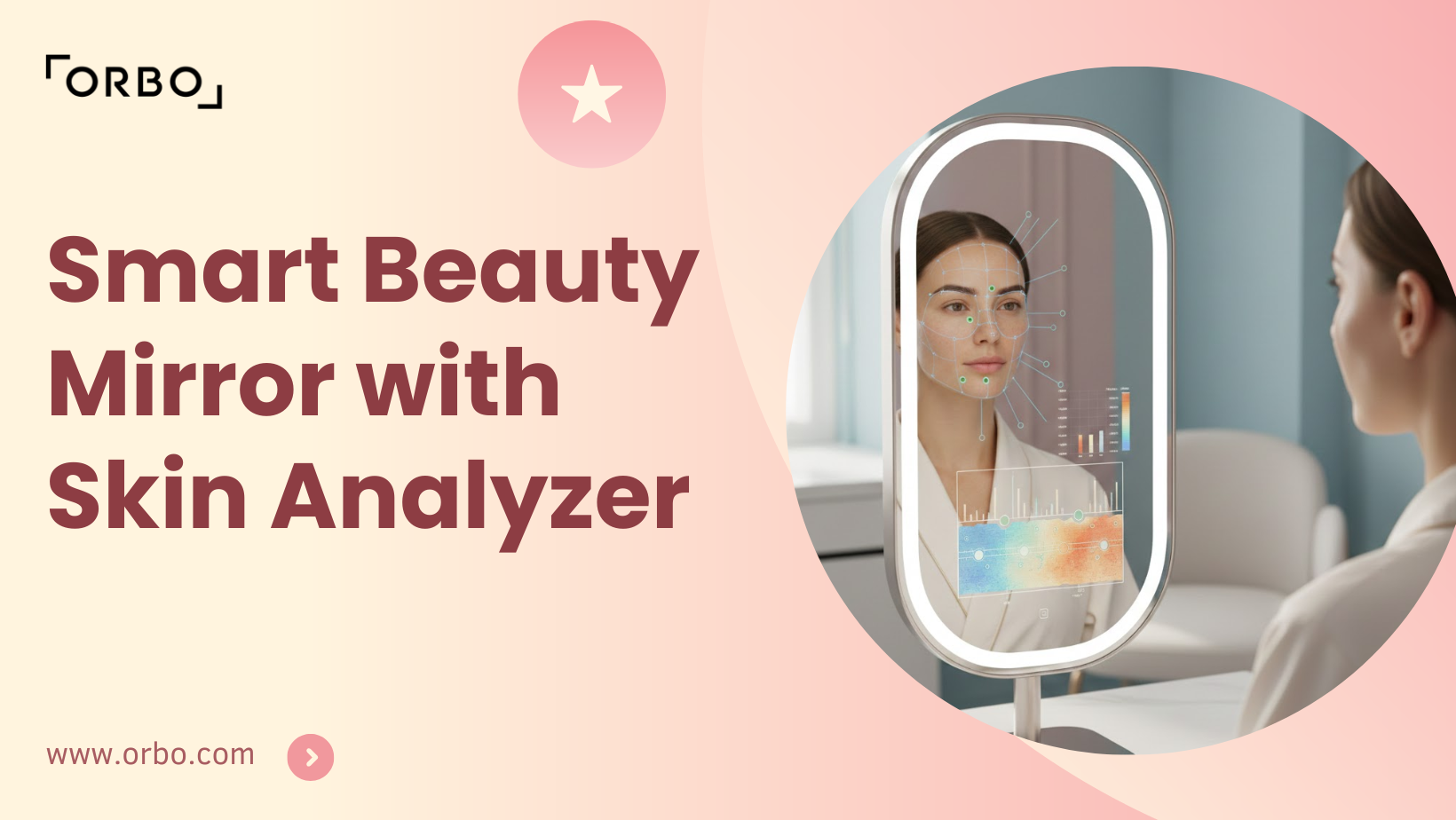
Most mirrors only tell you what you already know. Smart beauty mirrors go one step further. They reveal things you can’t spot on your best lighting day. That tiny patch of dehydration? The early texture shift you didn’t notice? It all becomes visible, and suddenly personalisation feels far less mysterious. Clients get clarity, and professionals gain a more reliable foundation for guiding routines and treatments.
In this article, you’ll find a clear look at what a smart beauty mirror actually is, how the underlying technology works, which features matter for real-world use, how these systems influence business outcomes, and the steps for rolling them out across locations.
Key Takeaways
- Smart beauty mirrors turn subjective consultations into clear, image-based insights that clients can easily understand.
- They support consistent recommendations across stores, salons, clinics, and digital channels.
- Teams use them to improve product fit, reduce returns, increase treatment adherence, and improve rebooking.
- Orbo.ai’s Smart Skin Analysis provides an adaptable AI system that runs on mirrors, kiosks, tablets, websites, and apps.
What Is a Smart Beauty Mirror with Skin Analyzer?
A smart beauty mirror with a skin analyzer is a consultation system that captures the face, examines multiple skin parameters, and presents findings in a simple visual manner. It replaces subjective observations with evidence-based clarity that clients can interpret at a glance.
Traditional consultations depend on what the human eye can detect in a few minutes. Smart mirrors shift this toward structured insight. They break down pores, texture, spots, tone irregularities, oil dryness patterns, and early fine line changes in a way that feels clear, not clinical.
Orbo.ai’s Smart Beauty Mirror with Skin Analysis is a strong example of this category. It allows clients to complete selfie-based scans across mirrors, kiosks, tablets, websites, and mobile apps through an API or SDK system, keeping the experience consistent across channels.
How Does an AI Skin Analyzer Mirror Actually Work?
To understand which systems are worth investing in, it helps to explore what happens behind the scenes.
Core Hardware: Cameras, Lighting, And Sensors Behind Skin Analysis
Reliable analysis begins with the optics. High-resolution cameras capture detail without distortion. Multiple lighting modes, such as standard, polarized, and UV, reveal different aspects of the skin. Facial landmark tracking helps maintain accuracy even if the client moves slightly. These components work together to keep results stable across skin tones and physical environments.
AI Models and Skin Metrics: Pores, Wrinkles, Texture, Spots, and Hydration
The AI layer reads the captured image using models trained on large, varied datasets. It identifies landmarks on the face and examines each region for pores, wrinkles, texture variations, pigmentation, oil dryness patterns, redness, and hydration-related indicators.
Orbo.ai’s system uses over two hundred facial landmarks and evaluates fifteen to twenty core skin parameters. The models are trained and tested on varied skin tones, supporting reliable outcomes across global markets.
Research on AI and AR in retail shows that personalized recommendations and virtual try-ons can boost engagement and purchasing confidence, supporting higher trust in product choices by reducing uncertainty before buying. This shows how visual proof helps clients feel more certain about their decisions, especially when they can see the outcome before committing.
From Scan to Insight: How Results Are Scored, Visualized, and Explained to Clients
Once the analysis completes, predictions are converted into scores, overlays, and ranked priorities. Clients see where certain conditions appear, how they relate to each other, and which areas may need attention. This structure helps guide routines and treatment plans and makes follow-up scans more meaningful.
AR and Virtual Try-On: Linking Skin Readings to Real-Time Makeup And Skincare Previews
Real-time AR previews show how makeup or hair color would look without physical testers. These visuals adapt to movement, lighting, and expression. When linked to skin analysis, recommendations become even more relevant.
Orbo.ai provides real-time virtual makeup and hair color across mirrors, kiosks, apps, and websites using the same AI engine that powers its diagnostics, which helps maintain consistency.
Why Do Smart Beauty Mirrors Matter for Beauty Retailers, Spas, and Salons?
Beyond novelty, wholesale smart beauty mirrors reshape client decisions and improve operational consistency.
New Client Journeys: From Walk-in Consultation to Data-Backed Product Recommendation
With a smart mirror, the first few minutes of a session become more structured. A client walks in, completes a quick scan, sees a visual map of their skin, and understands exactly which concerns need attention. This makes the conversation more grounded because both sides are looking at the same evidence. It also sets the tone for follow-up visits. When clients return later, they can compare new scans with previous ones and see how their routine or treatments have made a difference. That sense of progress helps strengthen loyalty and keeps people engaged with their plan.
In-Store, In-Salon, And Online: Connecting The Mirror with E-Commerce And Virtual Try-On
High-end multifunctional beauty mirrors work best when they are part of a connected system rather than a standalone experience. A person may discover insights on a mirror in the store, continue exploring recommendations on a tablet during a treatment consultation, and later revisit their results online through self-service tools. When all touchpoints share the same AI core, the experience feels continuous instead of fragmented. This makes it easier for clients to understand their needs and for organisations to maintain consistent guidance from physical locations to digital channels.
Revenue, Ticket Size, And Rebooking: KPIs That Smart Beauty Mirrors Can Influence
Clear visuals tend to shift behaviour. When people see evidence, they feel more confident about what to buy. This leads to better shade accuracy, fewer mismatched products, and lower return rates. Routines become easier to follow because clients understand why each step matters. Over time, this supports stronger average order values and healthier attachment rates. Progress tracking also plays a quiet but powerful role. When clients can physically see improvements in their skin, they feel encouraged to return for additional treatments or to continue with their recommended products.
Brand Differentiation: Using AI Skin Analysis To Stand Out in Crowded Retail Spaces
Many beauty environments look and feel similar, which makes differentiation challenging. Offering a credible, transparent analysis experience helps break that pattern. Clear visuals create a sense of expertise and care. The brand feels more future-ready without losing its human touch. When guidance is supported by evidence, clients tend to view the organisation as more trustworthy, more thoughtful, and more invested in helping them make informed choices. This shapes brand perception in a way traditional consultations cannot achieve on their own.
Which Smart Beauty Mirror Features Actually Matter for Professional Use?
Once the initial excitement settles, a few features determine whether a mirror performs well across a retail or clinic network.
Imaging Quality: Resolution, Lighting Modes, And Angles that Affect Skin Readings
A strong system must use high-resolution imaging with stable lighting. If the visuals are unclear or inconsistent, analysis accuracy suffers, and clients may lose trust in the results.
Skin Analysis Depth: Number of Conditions, Accuracy, and Reporting Detail
Depth influences confidence. Organisations should check how many parameters the system measures and how clearly those results are explained. Orbo.ai supports landmark-based mapping tested on varied skin tones to improve reliability.
AR Makeup, Hair, And Skincare Try-On: What CXOs Should Expect Out of The Box
An effective AR system must feel natural. It should work in real time, adapt to lighting, and support both makeup and hair color previews. Orbo.ai offers these experiences across devices with one unified AI engine.
Software, Integrations, And Updates: Connecting Mirrors With CRM, POS, And Booking Systems
Integrations matter for scale. Organisations need systems that can connect to CRM, ecommerce, booking, and analytics. Orbo.ai supports API and SDK-based deployment and can operate even when network connectivity is limited.
Feature Comparison Table
How Should You Roll Out Smart Beauty Mirrors Across Locations and Teams?
Successful organisations treat mirror adoption as a structured change process.
Choosing Pilot Sites: Flagships, High-Traffic Zones, And Treatment Rooms
Start with a small set of test locations such as a flagship store, a high flow area, and a treatment focused site. These pilots reveal space constraints, scripts, and consultation timing before scaling.
Workflow Design: Where The Mirror Sits in Consultation, Retail, And Treatment Flows
The mirror can sit at the start of the session for initial scans, mid consultation for deeper discussion, or post treatment for progress tracking.
Orbo.ai supports all these flows through mirror, tablet, or web-based setups.
Training Front-Of-House and Therapists to Use Skin Analysis With Confidence
Training should include simple explanations, privacy responses, and ways to discuss findings in a friendly, non-alarming manner. Clear scripts and quick reference cards help keep conversations smooth during busy hours.
Measurement Plan: Session Volume, Product Attachment Rate, And Client Return Visits
Organisations should track scans per day, conversion from scan to recommendation, average order values, attachment, rebooking, and returns. These measurements provide visibility into results and help refine placement and messaging.
Orbo.ai can feed session insights into CRM or analytics systems for broader reporting.
What About Data Privacy, Consent, and Fairness in AI Skin Analysis?
Face scanning must always be handled with care.
Face Images, Skin Scores, And Storage: What Data is Collected And How to Govern It
The system typically stores face images, skin scores, and session metadata. Organisations should review retention periods, encryption, and storage methods, as well as offline processing options for mirrors where connectivity varies.
Consent flows At The Mirror: Scripts, On-Screen Prompts, And Opt-Out Choices
Clients should be invited to opt in with clear on-screen language. They should also be able to opt out or request deletion. Simple scripts keep the process stress-free.
Skin Tone Inclusivity: Questions to Ask Vendors About Testing And Bias
Bias can emerge when datasets are limited. Leaders should ask about the diversity of training data and how models are evaluated.
Orbo.ai trains and tests its models on varied skin tones and ethnicities to support performance across global markets.
Why Orbo.ai Makes Sense for Modern Beauty Brands
Smart beauty mirrors only work well when the underlying AI is accurate, inclusive, and consistent across every touchpoint. Orbo.ai supports this by analysing over two hundred facial landmarks and multiple skin parameters, presenting results as clear visuals that make conversations easier and more personalised.
The same AI system runs across mirrors, kiosks, tablets, mobile, and web, which keeps the experience unified whether clients scan in-store or continue exploring at home. Real time AR makeup and hair colour add another layer of confidence by helping people see possible outcomes before committing.
For organisations, Orbo.ai also connects smoothly with CRM, ecommerce, booking, and analytics systems, making it easier to study outcomes and refine recommendations across locations.
Book a demo to experience Orbo.ai’s approach to accurate skin analysis and real time AR visuals.
FAQs
1. How accurate are AI skin analyzers compared to traditional consultations?
AI skin analyzers review fine details that the eye can miss, such as early texture shifts, micro-spots, or dehydration patterns. They offer a consistent starting point for conversations, while human expertise brings context and personal guidance.
2. Do smart beauty mirrors work for all skin tones?
Performance depends on how the AI was trained. Systems built with diverse datasets perform more reliably across skin tones. It is important to choose a provider that validates accuracy on a wide range of complexions.
3. Can clients access their skin analysis results after visiting a store or salon?
Yes, if the organisation enables it. Many systems allow results to be viewed through email, apps, or web links, creating continuity between in-store consultations and at-home exploration.
4. How often should clients redo a skin scan?
Most professionals recommend scanning every four to eight weeks. This gives enough time to see meaningful changes and helps adjust routines or treatments based on updated insights.
5. Are smart mirrors difficult to fit into existing workflows?
Not necessarily. They can sit at the start of a consultation, mid-session for deeper discussion, or post-treatment for progress tracking. Organisations usually run pilots in a few locations first to understand ideal placement and timing.