How Can AI Be Used in the Beauty Industry? Steps to Implement

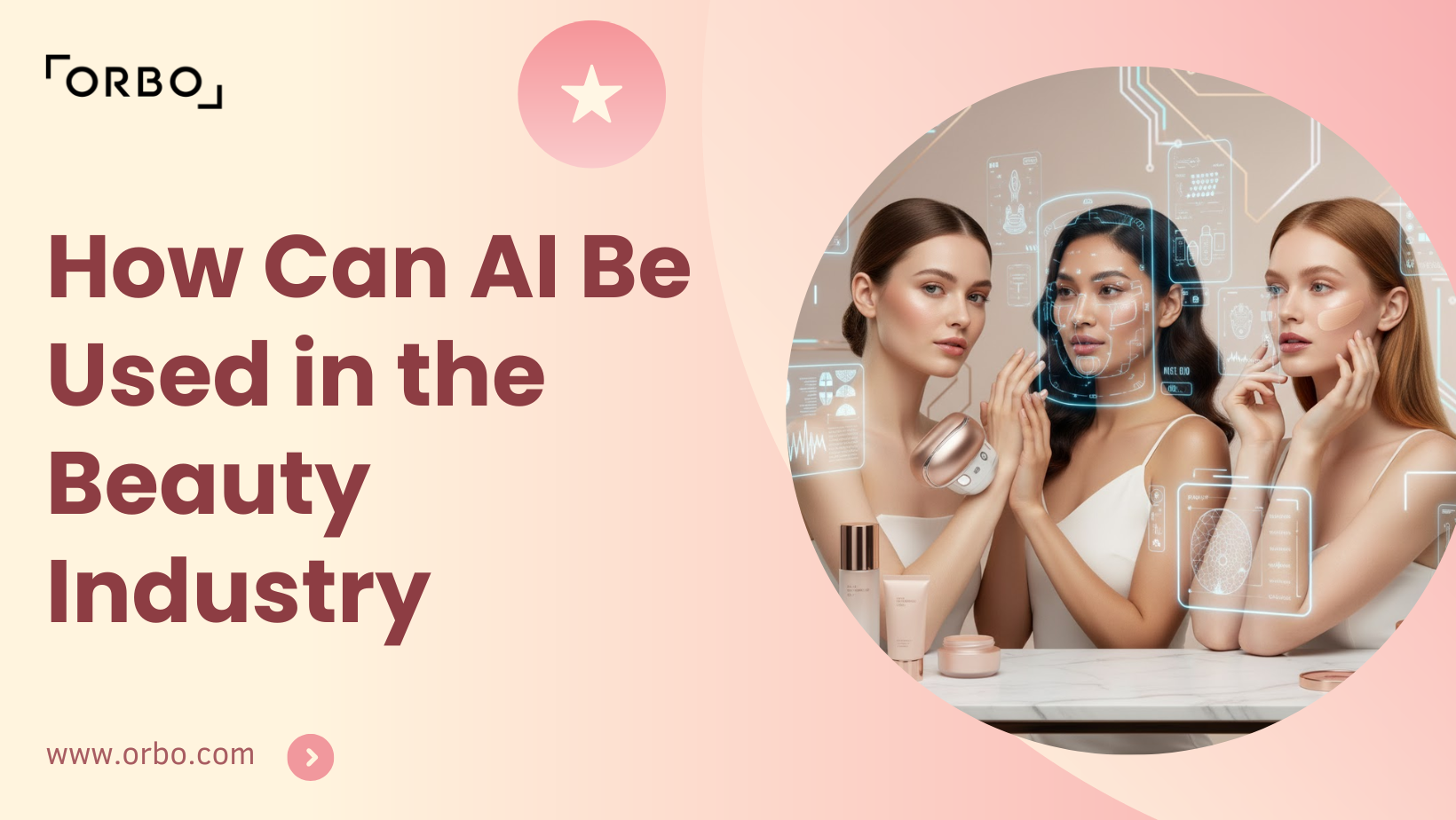
Beauty brands are competing in a market where consumer preferences shift fast, and every click, swipe, or selfie can influence purchase decisions. The pressure to offer personalised, data-driven, and visually rich experiences is higher than ever. AI in the beauty industry is no longer a future trend; it's a business requirement. From shade matching to virtual try-ons and AI skin diagnostics, intelligent systems can reshape customer experiences, speed up product development, and improve operational decisions.
But here's the catch: knowing how AI can be used in the beauty industry is just the beginning. You need a clear roadmap to put it to work across your customer journey. This guide walks through every stage from marketing to post-purchase care and shows exactly where, why, and how to bring AI into your beauty business.
Key Takeaways
- AI applications in the beauty industry go beyond virtual try-ons; they touch marketing, loyalty, operations, and more.
- Online brands, salons, and e-commerce players each benefit from different use cases of AI.
- Orbo AI offers ready-to-deploy beauty-specific AI solutions for skin analysis, virtual makeup, hair colour try-ons, and more.
Where Does AI Create Clear Wins Across the Beauty Customer Journey?
Artificial Intelligence can impact every touchpoint in a customer's path from the moment they discover your brand to long after their first purchase.
Awareness and Acquisition: Smarter Beauty Marketing With AI
Marketing teams can now run more effective campaigns using AI-powered predictive models that segment users, optimize spend, and generate copy variations automatically. Generative AI in the beauty industry helps brands experiment with tone, audience fit, and platform-specific messaging at scale.
On-Site and In-App Shopping: Virtual Try-Ons and Guided Product Finders
Virtual try-ons aren’t just gimmicks. They're proven to reduce return rates and improve basket sizes. With solutions like Orbo’s Virtual Makeup or Virtual Haircolor, customers can test looks directly on their selfie in real time. Smart quizzes and guided finders powered by AI recommend shades or routines based on skin type, preferences, and behaviour.
In-Store and In-Salon Experiences Powered by AI Mirrors and Diagnostics
Whether it’s through AI Smart Skin Analysis or AI-powered mirrors, in-person experiences get a boost when customers can scan their skin or hair and receive immediate feedback. These insights build trust, increase conversion, and support expert staff.
Post-Purchase Care, Loyalty, and Referrals Informed by AI Insights
AI doesn’t stop at checkout. It continues to work behind the scenes to track usage patterns, product satisfaction, and reordering behaviours. By analysing this data, beauty brands can personalise loyalty offers or prompt users to refer friends at the right moment.
What AI Use Cases Matter Most for Online Beauty and E-commerce Brands?
For digital-first beauty businesses, the applications of AI are especially compelling.
AI for product discovery, shade matching, and personalized routines
Shade selection is one of the biggest friction points in beauty ecommerce. AI removes that uncertainty by analysing undertones, surface tone, texture, and lighting variations from a selfie. Instead of scrolling through dozens of shades, customers instantly see what matches them. With Orbo’s Virtual Makeup engine, this goes further: after identifying tone and concerns, the system suggests a full routine foundation, concealer, blush, lipstick, and even hair shades, creating a guided experience that feels personal and confident.
Dynamic pricing, offers, and merchandising powered by real-time data
Beauty shoppers behave differently based on time of day, season, social trends, and stock conditions. AI models interpret these signals to recommend optimal pricing, highlight bundles that convert well, or position trending shades at the top of product grids. These adjustments happen quietly in the background, helping brands improve conversions without adding manual merchandising steps for their teams.
Content creation at scale for ads, PDPs, and social campaigns
High-volume visuals are the heartbeat of beauty marketing. Generative AI in the beauty industry helps brands produce campaign-ready content quickly from swatch visuals to application demonstrations. It can turn a single product photo into multiple lifestyle edits, create step-by-step how‑to videos, or generate social-ready captions and banners. This keeps pace with fast-moving beauty trends without stretching creative teams thin.
Review mining, UGC analysis, and trend spotting with AI
Customers leave thousands of comments every day across Instagram, TikTok, YouTube, and marketplaces. AI analyzes this content to identify the shades people love, concerns they mention often, or emerging looks gaining popularity. It also identifies influential creators driving conversations. These insights guide product development, storytelling, and next month’s campaigns without manually combing through feeds.
Support, chat, and consultation experiences that feel human
Beauty shoppers often need reassurance before buying: “Will this shade suit me?”, “Which serum pairs with this?”, “How do I choose a curl‑safe mask?” AI-powered chat and consultation systems answer these questions instantly. They use brand data, product logic, and diagnostic results to respond in a natural, warm tone. When a query requires a human touch, the system escalates to staff without breaking the conversation flow, improving both speed and satisfaction.
How Can Salons, Spas, and Clinics Put AI to Work Every Day?
AI isn't just for e-commerce. It’s reshaping daily operations in beauty service businesses from front desk to treatment chair. Salons, spas, and clinics can use AI to streamline bookings, personalise consultations, and build better relationships with clients.
Smart Booking, Reminders, and No-Show Reduction With AI Assistants
AI scheduling assistants can take over the repetitive admin: managing slots, sending timely reminders, and automatically filling last-minute cancellations. This keeps calendars full and reduces revenue loss from no-shows without human effort.
Seat Utilisation, Staffing, and Menu Planning Informed by Predictions
Using past appointment trends and seasonal demand, AI tools suggest optimal staffing and service focus. For example, it might show that skin treatments spike in winter, helping you plan shifts and promotions accordingly.
In-Chair Consultations, Skin and Hair Diagnostics, and Treatment Planning
With Orbo’s Smart Skin Analysis, therapists can assess skin conditions quickly and accurately. These diagnostics turn into personalised treatment plans or post-visit product suggestions, offering a more informed and high-touch experience.
Upsell and Cross-Sell Journeys That Feel Natural, Not Pushy
AI can recommend relevant services or products based on a client’s booking history or diagnostics. So if someone books a facial, they might be shown a complementary peel or serum without sounding scripted or sales-heavy.
AI-Enabled Feedback Loops to Improve Service Quality Over Time
After each visit, AI tools can trigger feedback surveys, analyse tone and keywords in reviews, and highlight patterns in client sentiment. These insights guide service improvements, training gaps, or even marketing copy updates.
What Are the Practical Steps to Implement AI in a Beauty Business?
You don’t need to reinvent your tech stack to adopt AI. Most beauty brands and service businesses already collect data, run online campaigns, and use CRM tools. Implementing AI means systematising these efforts, starting with a clear goal, and plugging in the right models where they fit.
Step 1: Clarify Business Goals, Use Cases, and Success Metrics First
Before choosing vendors or features, start with why you’re implementing AI.
1) Define your primary objective: Is it reducing product returns? Improving in-clinic consultations? Increasing cart conversion via virtual try-ons?
2) Select 2–3 target use cases. Examples:
- Skin tone detection and shade matching
- Personalised skincare recommendations
- Smart scheduling for salons
3) Set clear KPIs for each: click-through rates, conversion uplift, consultation duration, or sales per user.
This step prevents wasting effort on "cool" features that don’t tie into revenue or operational improvement.
Step 2: Audit Customer Data, Consent, and Tech Stack Readiness
AI needs clean, structured data to function, and compliance rules are strict when it comes to personal data like selfies or skin scans.
- Data mapping: Identify where your customer data lives, e.g., CRM, POS, website, booking software, and what types (text, images, usage logs) you collect.
- Consent check: For image-based AI (like skin analysis), verify you have explicit opt-in. This includes usage for processing, storage, and personalisation.
- System readiness: Ensure your backend (e.g., Shopify, WooCommerce, custom app) can send/receive data to APIs. Confirm SDKs can be integrated on web/iOS/Android.
- Security: Verify that your systems meet basic standards SSL, encrypted storage, MFA for staff accessing sensitive results.
Step 3: Prioritise Pilot Projects With Clear Revenue or Cost Outcomes
Don't attempt full-scale deployment on day one. Start with a contained pilot that shows tangible value.
Choose 1–2 high-impact pilots. Ideal examples:
- Add a virtual makeup try-on to a best-selling product page
- Deploy a skin analysis tablet at your flagship salon
- Use AI to recommend bundles post-diagnosis
The pilot must be:
- Easy to measure (e.g., increase in add-to-cart)
- Technically isolated (won’t break your core workflows if it fails)
- Low-friction for users (simple UX, fast response time)
Test the pilot with real customers, gather performance metrics, and decide whether to expand.
Step 4: Select AI Partners, Vendors, or Platforms That Fit Beauty-Specific Needs
Generic AI platforms may not work for your needs. Beauty tech requires training on skin, shades, face geometry, hair textures, and diverse ethnicities.
Choose industry-specific vendors like Orbo AI, who offer:
- Pre-trained AI models for beauty use cases
- SDKs that work across mobile/web
- API access for dynamic recommendations
- GDPR and CCPA compliance framewor
Ask for:
- Latency benchmarks (e.g., try-on load time)
- Model coverage (skin types, gender, lighting conditions)
- Integration support (technical docs, onboarding help)
Avoid tools that require heavy model retraining or full-system rewrites.
Step 5: Redesign Workflows, Roles, and Training So Staff Actually Use AI
Technology is only useful if your staff knows how to apply it and customers know it exists.
Redesign existing workflows:
- Example: Add a selfie capture + AI diagnosis step in salon consultations.
- Sync AI output with CRM records for follow-up marketing.
Staff onboarding:
- Train consultants on how to interpret and explain AI results (e.g., “Your skin hydration score is low, so we recommend...”)
- Provide fallback options in case AI fails or is slow.
- Include in-store and online prompts so customers engage with the new AI features instead of bypassing them.
Step 6: Measure Impact, Refine, and Expand AI Initiatives in Stages
Start collecting data from day one to validate business impact.
- Track engagement: e.g., how many people use the try-on? How many complete skin scans?
- Measure output quality: Are recommendations leading to purchases? Are customers satisfied?
- Build a feedback loop:
- Use analytics tools or in-app feedback to gather responses
- Refine recommendation logic based on real-world behaviour
- Gradually expand rollout to new categories, store locations, and use cases once you see consistent performance.
What Risks and Governance Questions Should Beauty Leaders Ask Before Scaling AI?
As AI scales within a beauty brand, so does the responsibility to manage it responsibly. Getting ahead of key governance areas early can prevent reputational, legal, or operational risks.
Bias and Fairness Across Skin Tones, Hair Types, and Age Groups
Models should perform consistently across all demographics. This means using datasets that include a wide range of skin tones, hair textures, age groups, and lighting conditions. Orbo AI trains its models on inclusive data to minimise prediction bias and serve a global audience more accurately.
Data Privacy, Facial Images, and Biometric Consent in Beauty
Collecting face data for try-ons or analysis requires clear, opt-in consent. Brands must define how data is collected, stored, and shared especially under GDPR, CCPA, and other local privacy laws. Use explicit language in your consent flows and avoid bundling consent into general T&Cs.
Regulatory Expectations for AI in Skincare, Devices, and Clinics
Any AI feature that gives skincare advice or recommends treatments may fall under health or cosmetic device regulations. Brands must track regional laws and clarify whether their solution is for "wellness" or "diagnostic" use to avoid legal grey areas.
Guardrails for Brand Safety, Content Quality, and Claim Substantiation
AI-generated outputs like product recommendations, makeup try-ons, or hair simulations must stay within what the product can actually deliver. Set clear prompt boundaries, avoid exaggerated visuals, and involve your legal or R&D teams when making AI-backed claims.
Build the Right AI Operating Model Between HQ, Stores, and Partners
Decide who controls the AI settings: your central product team or local salons, retailers, and ecommerce teams. Maintain brand consistency by providing default templates, workflows, and clear roles for feedback, updates, and error handling.
How Does Orbo AI Revolutionize the Beauty Industry?
Orbo AI isn’t just building features. It’s reshaping how beauty brands deliver product experiences online, in-store, and at home. From real-time try-ons to precision diagnostics, it offers plug-and-play modules across four key beauty categories:
Whether you're launching a new product line or upgrading your in-salon experience, Orbo AI shortens the path between interest and purchase and gives beauty buyers the confidence to commit.
Ready to Activate AI in Your Beauty Brand?
AI in the beauty industry is already reshaping how products are sold, recommended, and applied. Whether you run a global cosmetics label, a local clinic, or a direct-to-consumer brand, starting your AI journey now ensures you stay relevant and profitable.
Orbo AI offers you a direct path, no guesswork, no generic platforms. From diagnosis to try-ons, it brings AI experiences your customers will actually use.
Book a Demo with Orbo and discover what beauty AI can do for your business.
FAQs
1. What’s the difference between generic AI tools and beauty-specific AI solutions like Orbo?
Generic AI solutions often require extra training or customization to work well for beauty use cases. Orbo AI is pre-trained on diverse datasets for makeup, skin, and hair applications, so it’s ready to deliver accurate, beauty-grade results without the long setup.
2. Do I need a large IT team to implement AI in my beauty business?
Not at all. Most of Orbo’s solutions are built for easy integration through APIs or widgets and can work with existing platforms like ecommerce stores or in-salon tablets. Your team just needs basic onboarding, not a full tech overhaul.
3. Is AI makeup try-on accurate across different skin tones and lighting conditions?
Yes. Orbo’s AI models are trained on thousands of real-world images under various lighting and skin tones to minimise mismatch. The goal is to reflect true-to-life results that customers can trust.
4. Can AI really improve salon operations, or is it just about virtual try-ons?
AI adds value far beyond virtual try-ons. With predictive analytics, smart booking, and feedback loops, AI helps salons reduce no-shows, optimise staffing, and offer more personalised services creating smoother workflows and better customer experiences.
5. What are the privacy and consent considerations for using AI in beauty?
If you’re collecting selfies or facial scans, you must follow data protection standards like GDPR or local biometric consent laws. Orbo provides solutions with built-in consent flows and secure data practices to help meet compliance requirements.